玄関
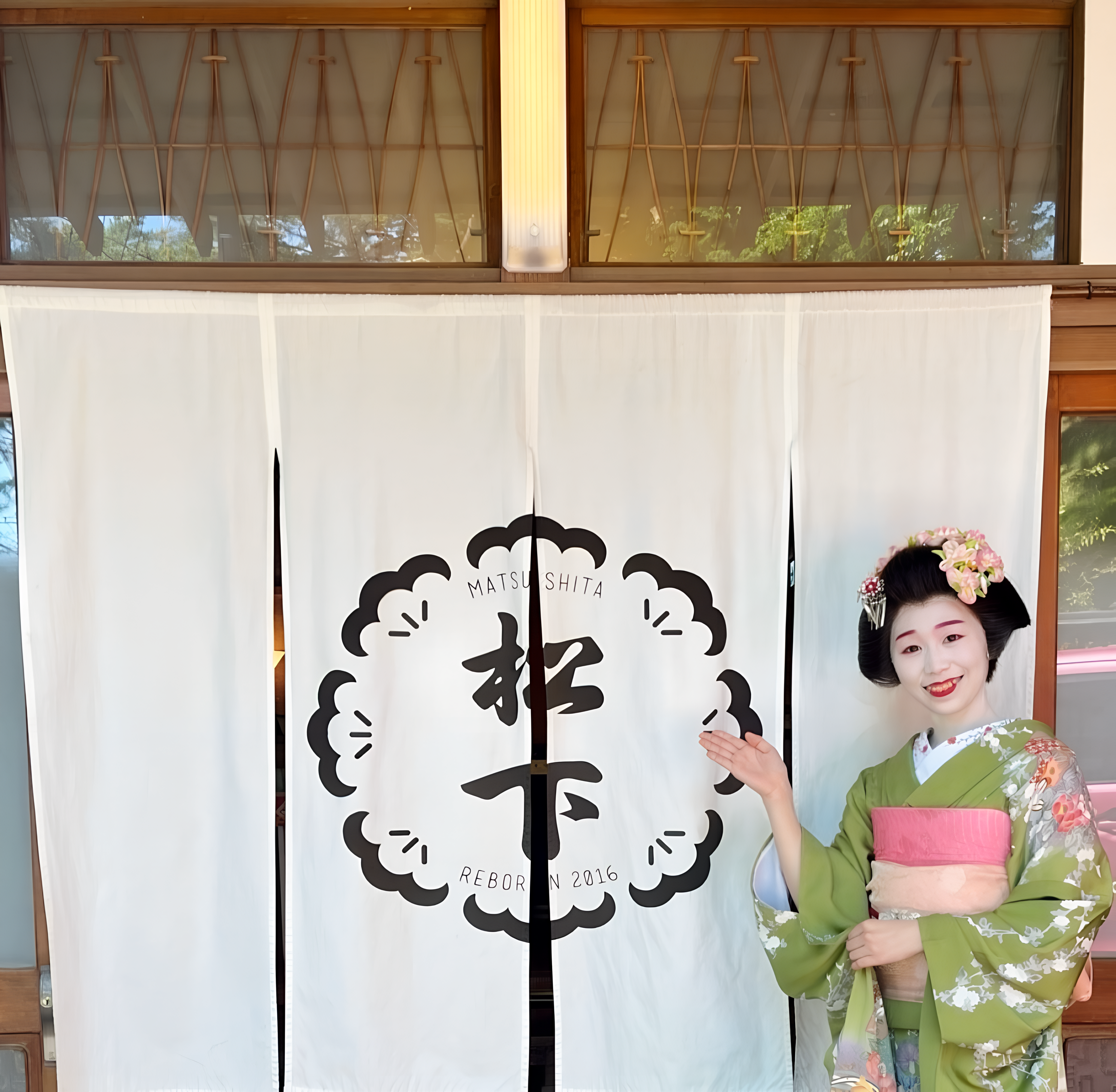
あきた文化産業施設 松下へようこそお越しくださいました。
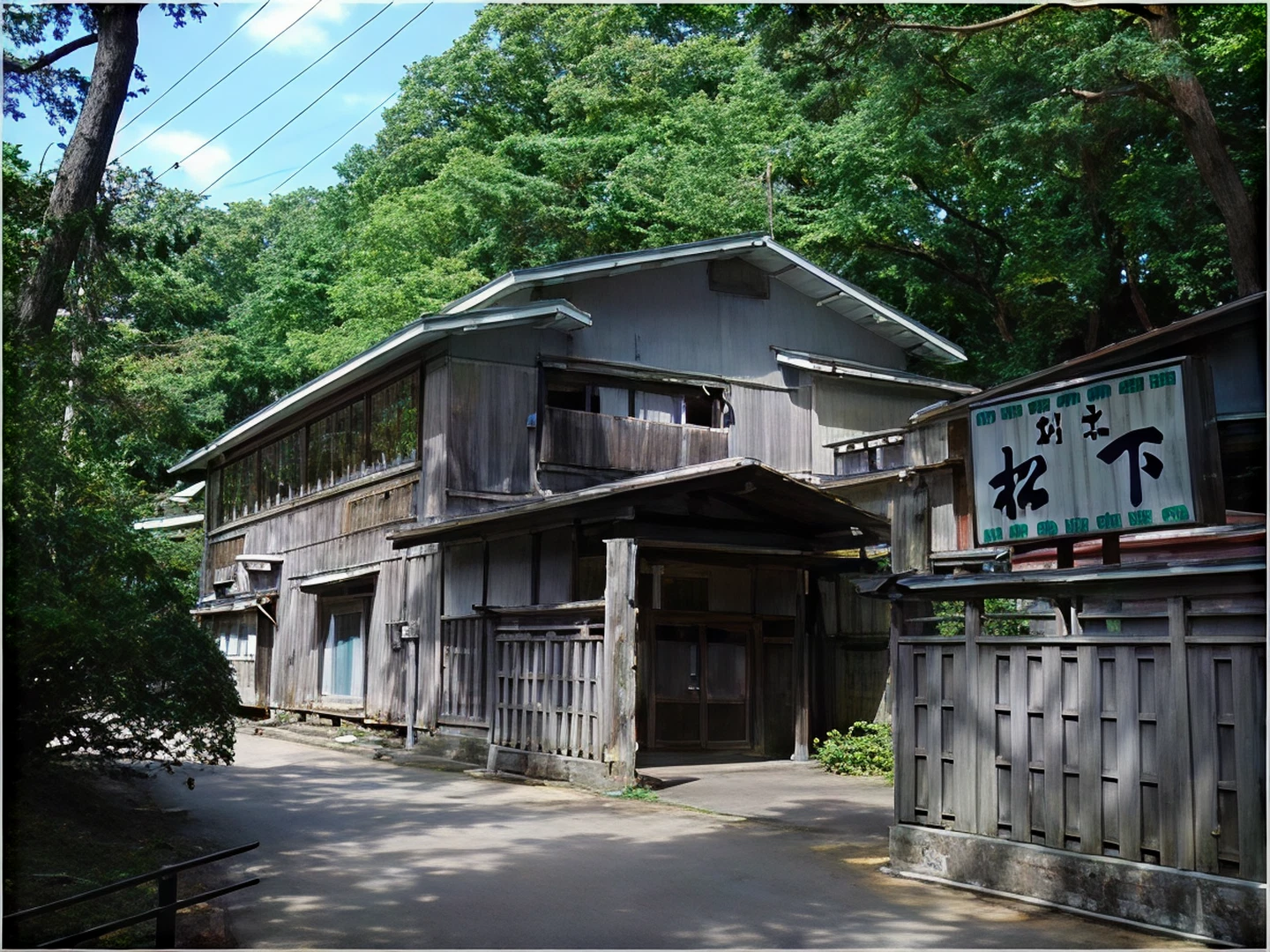
建物はかつて、「割烹松下」という料亭として愛されていました。
当館奥西側にある建物は「割烹松下」の本館で、戦前の大正5年(西暦1916年)に創業し、100年以上の歴史を誇っています。
当館は戦後に建てられたため「割烹松下」の新館として利用されていました。(約築80年)
旧料亭時代は本館と新館が一体化していましたが、現在は当館奥の建物が骨切りうなぎ店「千秋 松下門」、当館はあきた文化産業施設 松下として営業しています。
Welcome to Akita Culture and Industry Facility Matsushita.
The building was once a beloved Japanese restaurant called “Kappo-Matsushita.
The building on the west side of this building used to be the main building of “Kappo-Matsushita”, which was established in 1916 (Taisho 5) before the war and boasts a history of more than 100 years.
This building was built after the war and was used as new of “Kappo Matsushita”. (about 80 years old).
During the time of the old restaurant, both buildings were integrated, but now former main building is the bone-cut eel restaurant called “Senshu Matsushita-mon”.
This building is now operating as the Akita Culture and Industry Facility Matsushita.
当館1階には、カフェやギャラリーコーナー、お手洗いなどがございます。
また、玄関横の物販コーナーにはあきた舞妓・あきた芸者のオリジナルグッズなどを取り揃えています。ぜひお立ち寄りください。
On the first floor of this building, there are a café, a gallery corner, and restrooms.
The shop corner next to the entrance has a variety of original goods from Akita Maiko and Akita Geisha.
Please stop by.
フォトギャラリー
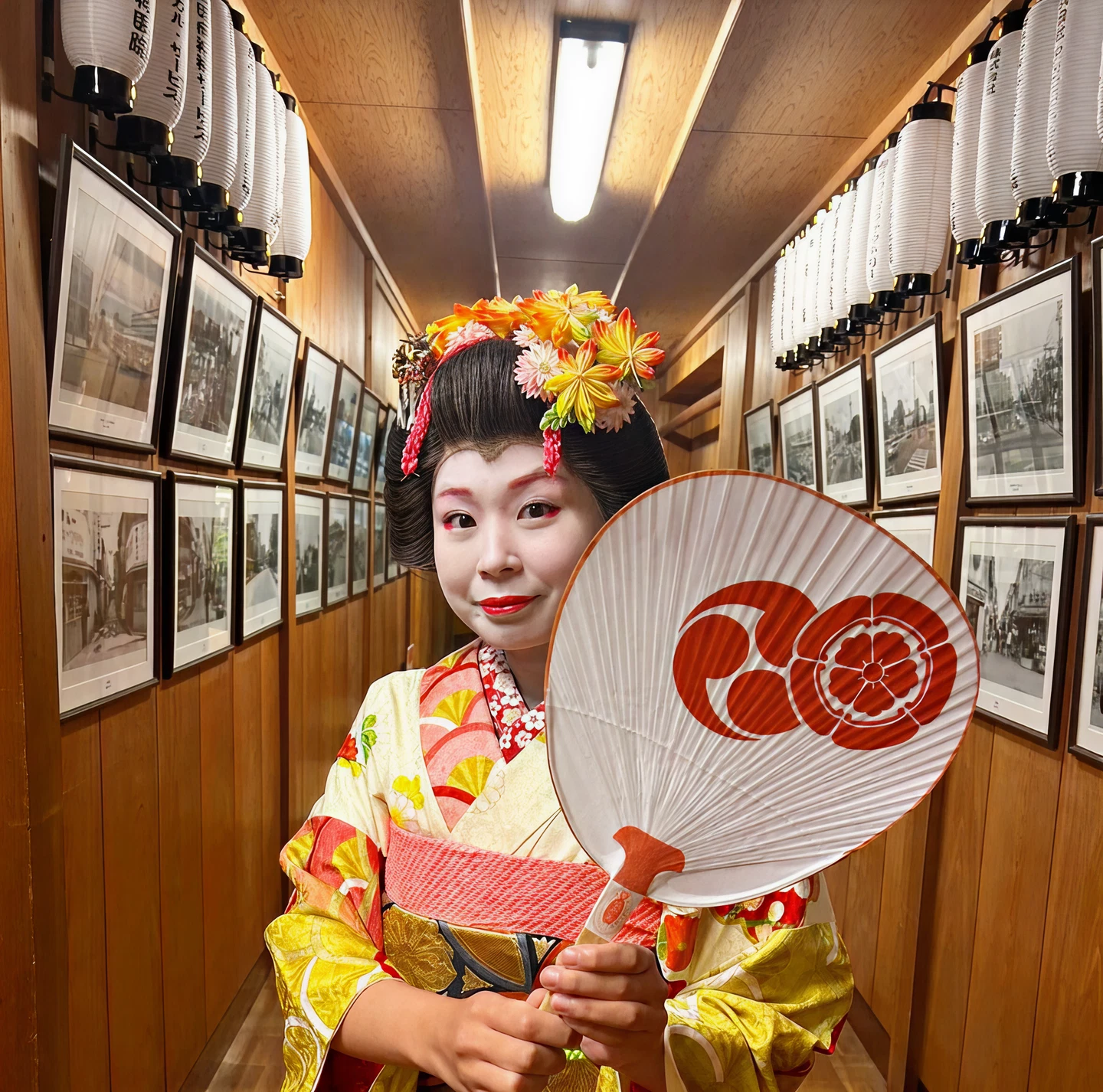
当館フォトギャラリーのお写真は、昭和3年に創業した「岩田写真館様」よりお借りし展示しています。現在と昔の秋田市の風景を比べながらお楽しみください。
The photos in our gallery are on loan from Iwata Photo Studio, which was established in 1928.
Please enjoy comparing the present and the past scenery of Akita City.
秋田駅前の風景
A scenery of Akita station area
秋田駅周辺の写真には、地方から電車を乗り継いで来た多くの行商の人々が映っています。
現在「仲小路振興会」がある辺りは、昔「金座街」と呼ばれていました。
また、 秋田銘菓としてとても有名な「金萬」の名前は、
金座街で食堂を営まれていた先代の大内正見氏が、ご自身の店先でおまんじゅうを出したことが由来と伝えられています。
Photographs of the Akita Station area show many peddlers who came from the countryside by train.
The area where “Nakakoji Shopping Street” is now located used to be called “Kinza-gai.
The name of the famous Akita confectionery, “Kinman,” was also derived from the name of a diner on Kinza-gai,
The name “Kinman” was given by Masami Ouchi, who ran a diner in Kinza-gai.
The name “Kinman” is said to have originated from his predecessor, Masami Ouchi, who ran a diner on Kinza-gai and served manju(sweet bun) at his storefront.
繁華街・川反
Downtown Kawabata
また、最も川反芸者が栄えたのは昭和30年(1935年)頃と言われています。
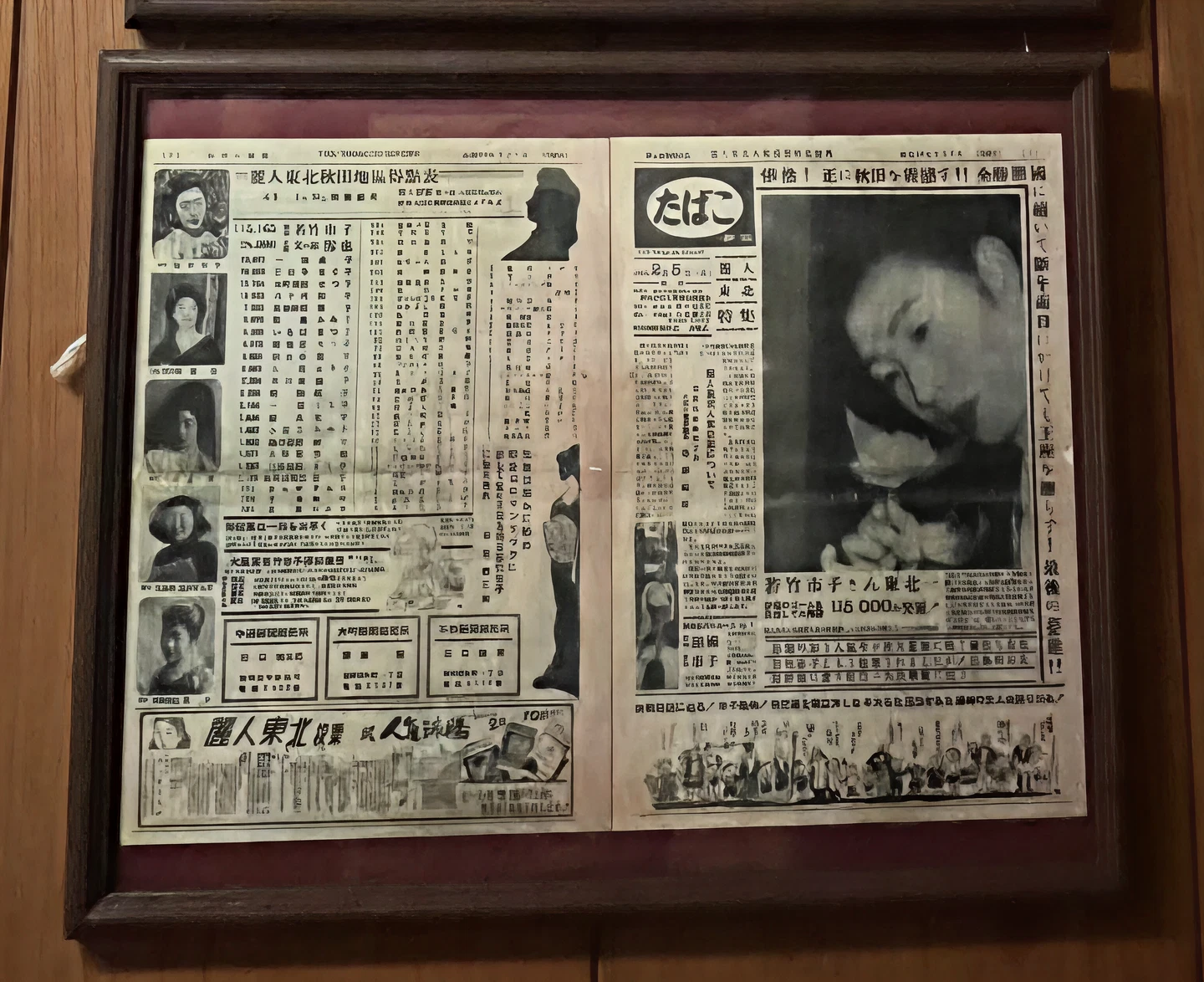
特に昭和26年に発行された「たばこ新聞」にご注目ください。
ご覧の通り、当時はたばこ1箱に投票券が1枚付き、芸者の人気投票が行われていました。
記事によると、この回の「麗人東北人気投票」で1位を獲得したのは川反芸者の若竹市子(いちこ)お姐さんでした。現代のアイドルの総選挙を彷彿とさせます。
It is also said that the most prosperous period for Kawan geisha was around 1935.
Please pay attention to the “Tobacco Newspaper” published in 1951.
At that time, a box of cigarettes came with a voting ticket of popularity contest for geisha was held.
According to the article, the winner of the “Reijin Tohoku Popularity Poll” this time was Miss. Ichiko Wakatake (Kawabata-Geisha), who won first place. This is reminiscent of a general election for modern idols.
川反花柳界の歴史
History of Kawabata Karyukai
秋田婦人運動の先駆者・和崎ハル氏が大正13年に「芸妓学校」を開設しました。
毎週日曜日に約50人の芸妓があらゆる勉学に親しみ、器量の良さ、踊りや唄にもに磨きをかけたそうです。
明治末、大正から昭和にかけて栄華を誇った歓楽街・川反は、全国にも名を馳せました。
最盛期には200名ほどいた川反芸者も、現在ではごく数名となりましたが、2014年よりあきた舞妓・あきた芸者が秋田川反ならではの文化の継承と発展を志し、精進しています。
Haru Wasaki, a pioneer of the Akita Women’s Movement, established the “Geigi School” in 1924.
Every Sunday, about 50 geisha studied hard and honed their skills in dancing and singing.
Kawabata, the entertainment district that flourished from the end of the Meiji period through the Taisho and Showa period became famous throughout the country.
There were about 200 Kawabata geisha in its heyday, although there are only a few today.
Since 2014, Akita Maiko and Akita Geisha have been working diligently to carry on and develop the unique culture of Akita Kawabata.
展示ギャラリー
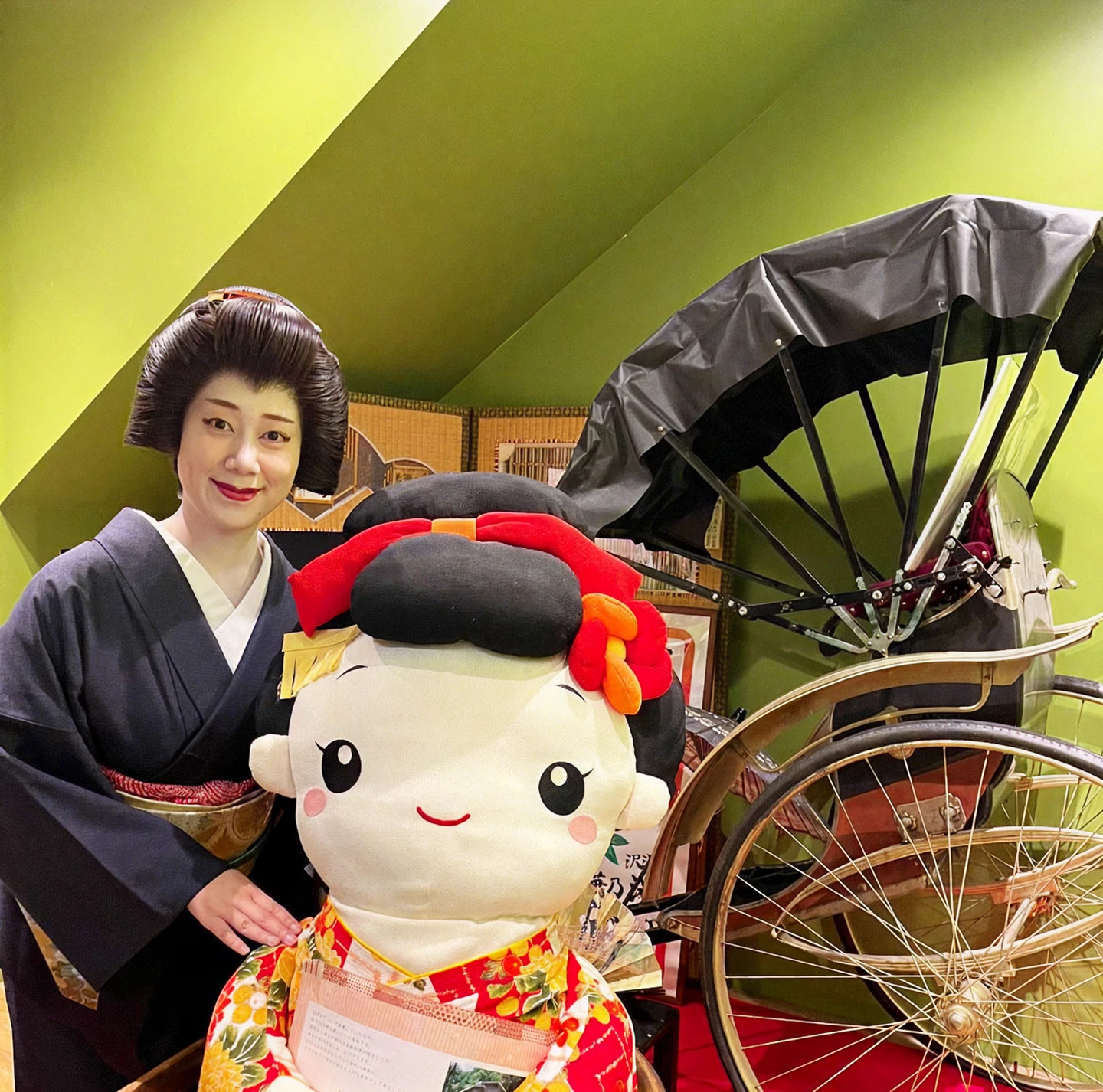
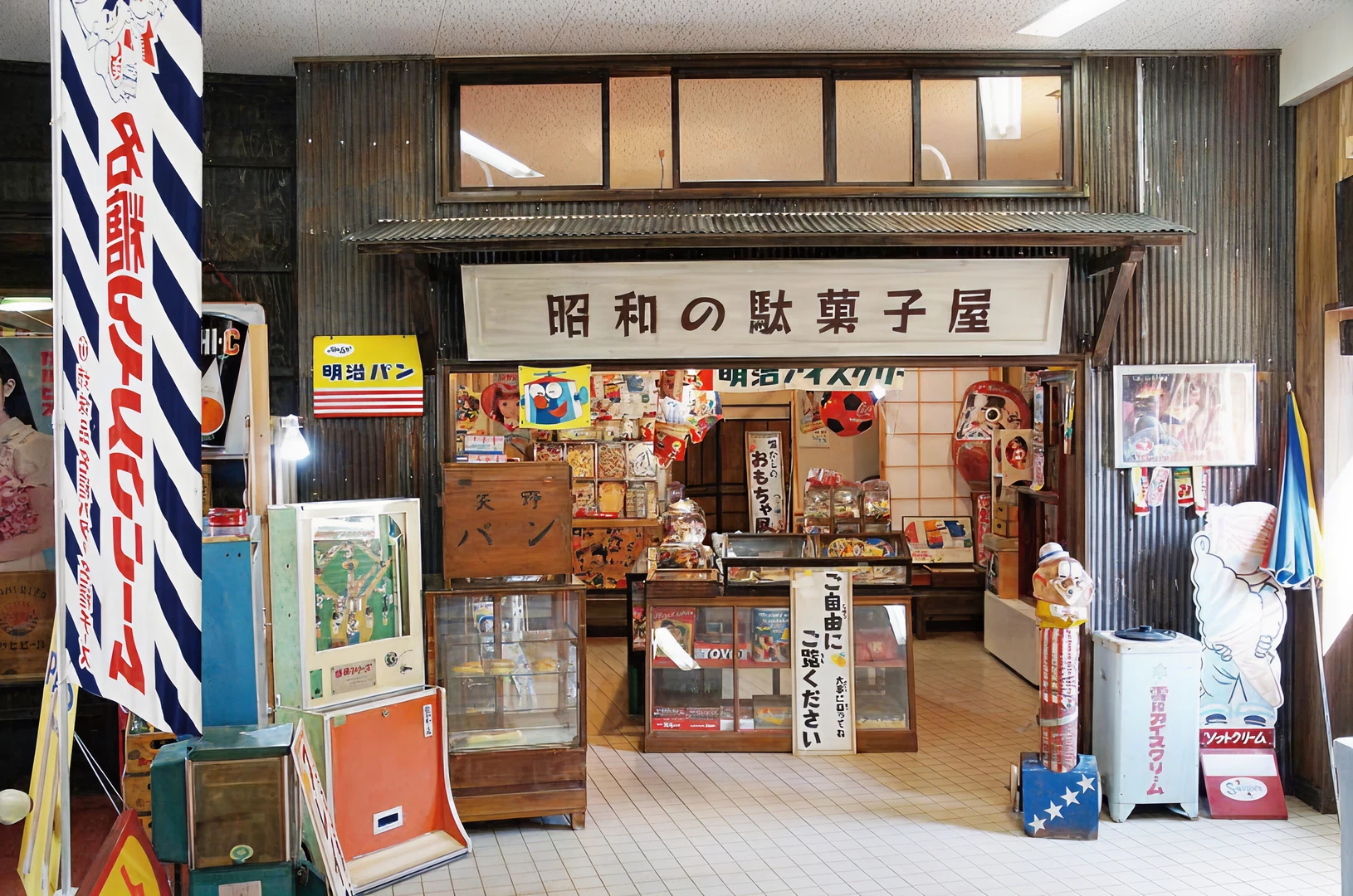
秋田市在住の蒐集家・油谷滿夫さんが、70年以上かけて集め続けた約50万点の民具から秋田美人にまつわるコレクションをいくつかお借りし、展示しています。
どうぞレトロな雰囲気をお楽しみください。
現在「油谷これくしょん」約50万点のうち、約20万点は秋田市に寄贈され、旧金足東小学校や中心市街地各所に展示されています。お時間のある方はぜひ、足をお運びください。
Akita City-based collector Mitsuo Aburaya has borrowed several collections related to Akita beauties
from his collection of about 500,000 folk tools that he has been collecting for more than 70 years, and is now exhibiting them here.
Please enjoy the retro atmosphere.
Currently, about 200,000 out of approximately 500,000 items in the “Aburaya collection” have been donated to Akita City,
and are on display in the former Kanaashi East Elementary School and various other locations in the central city area.
If you have time, please visit us.
〒010-0123 Kanaashi katada machiiri109, Akita city
大広間
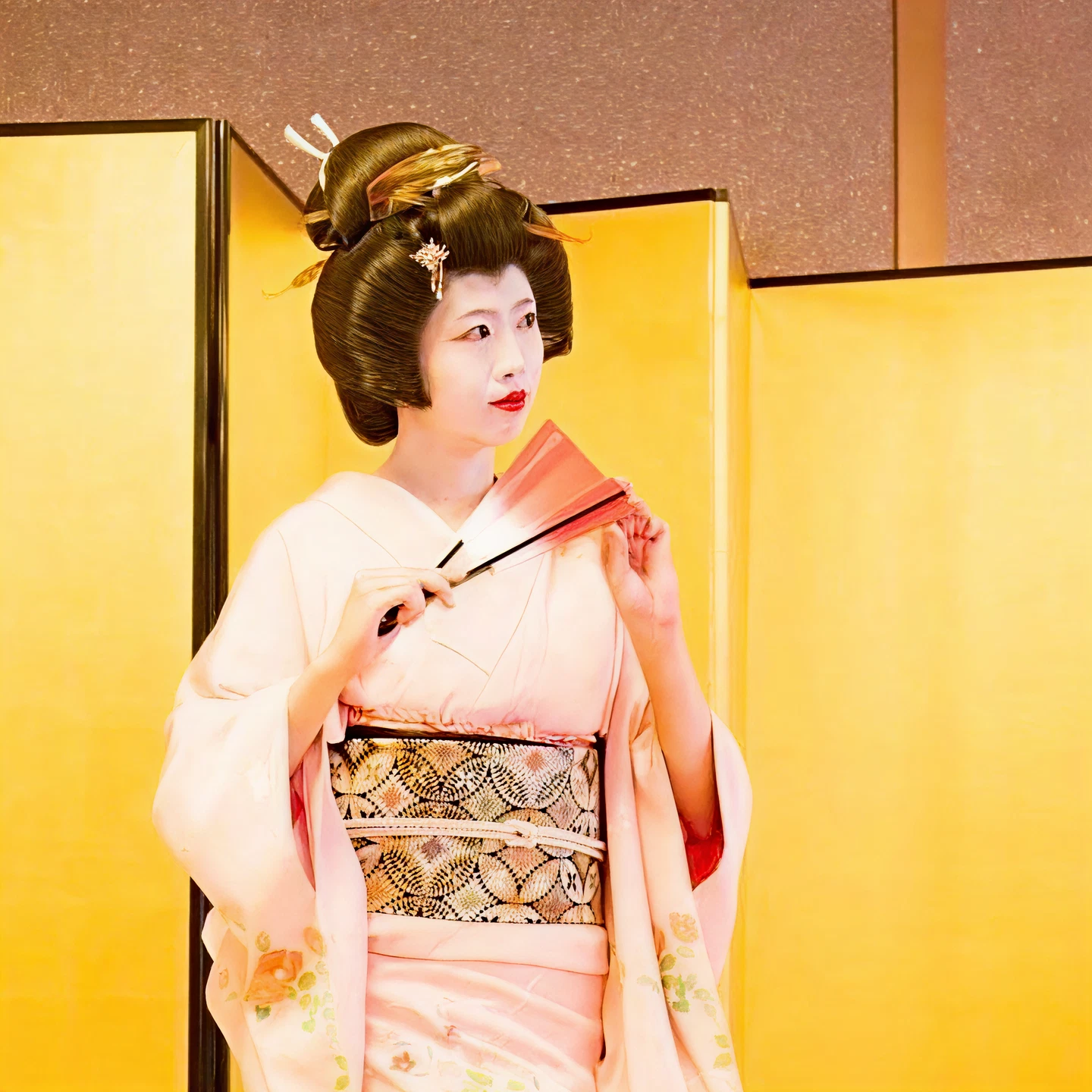
障子や畳以外は旧料亭時代の趣をそのまま残しています。
天井は船底型の造りで、一枚板の天井は今ではとても珍しい貴重なものです。
また階段横のガラス戸は職人が一枚一枚手作りしたものが残っています。
約80畳の大広間は、着席で約50名様、立食で約70名様がご利用可能で、普段はあきた舞妓劇場公演、レンタルスペース、宴会会場などとして使われています。
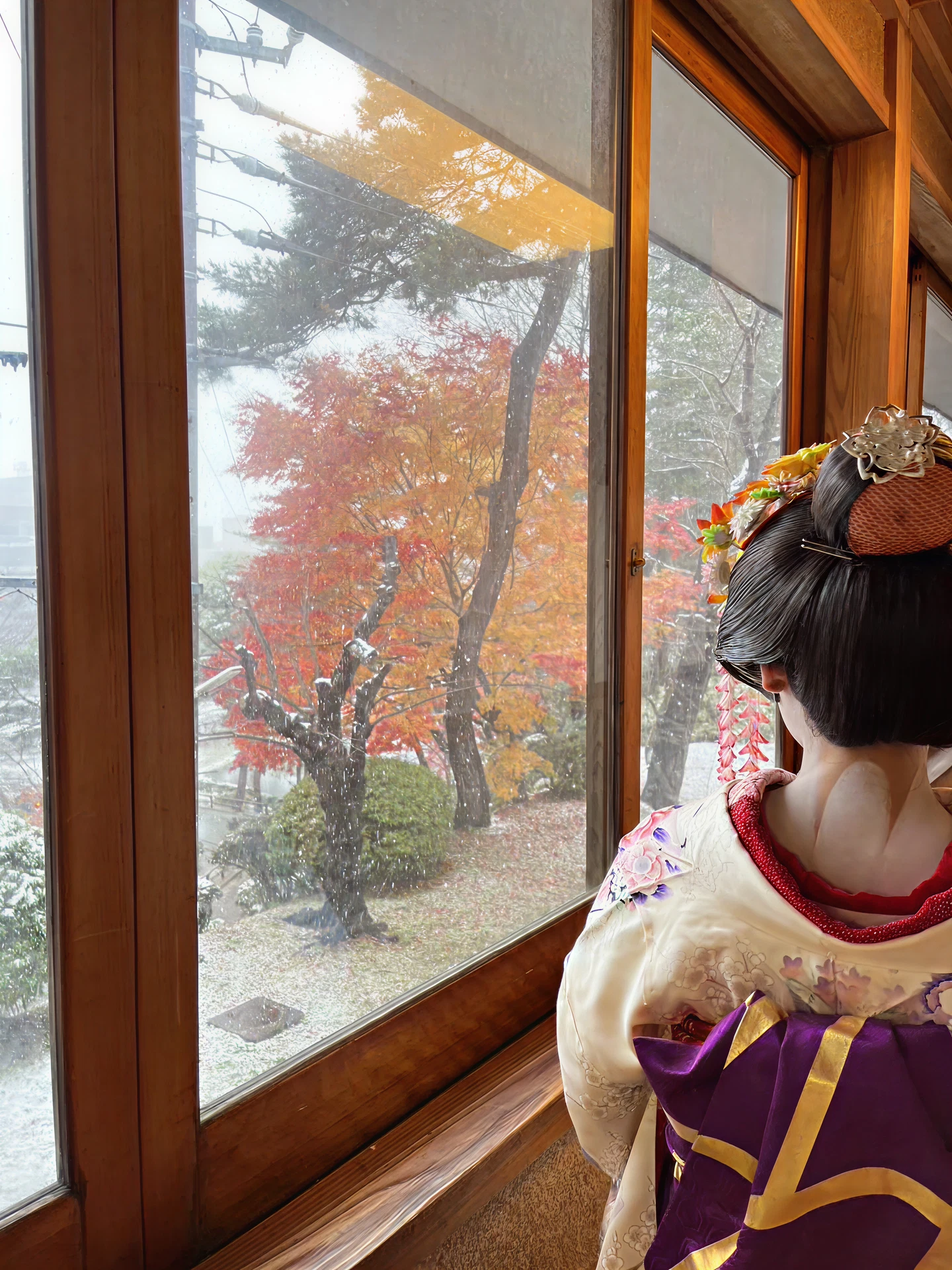
大広間を出てすぐにある窓からは千秋公園の景色が一望できますので、この趣深い空間をじっくりとお楽しみください。
Except for the shoji(paper sliding door) screens and tatami mats(Japanese straw floor covering), the room retains the atmosphere of the old ryotei period.
The ceiling is of a boat-bottom shape, and the single-panel ceiling is very rare and precious nowadays.
The glass door next to the staircase was handmade one by one by a craftsman.
The 80-mat hall can accommodate about 50 people for a seated dinner and about 70 people for a standing dinner, and is usually used for performances by the Akita Maiko Theater, rental space, banquet halls, and other purposes.
The window just outside the hall offers a panoramic view of Senshu Park, so please take the time to enjoy this atmospheric space.